 เครื่องเชื่อมเลเซอร์

What Materials Can Be Laser Marked? Complete Industrial Guide for Precision Manufacturing
Meta Title (SEO Optimized)
What Materials Can Be Laser Marked? | Full Industrial Material Guide for B2B Manufacturing. This guide includes an overview of CO2 laser marking materials commonly used in various industries.
Meta Description
Discover what materials can be laser marked in industrial manufacturing. Learn about metals, พลาสติก, เซรามิกส์, กระจก, and more. Explore compatible laser marking solutions for fiber, คาร์บอนไดออกไซด์, and UV laser systems.
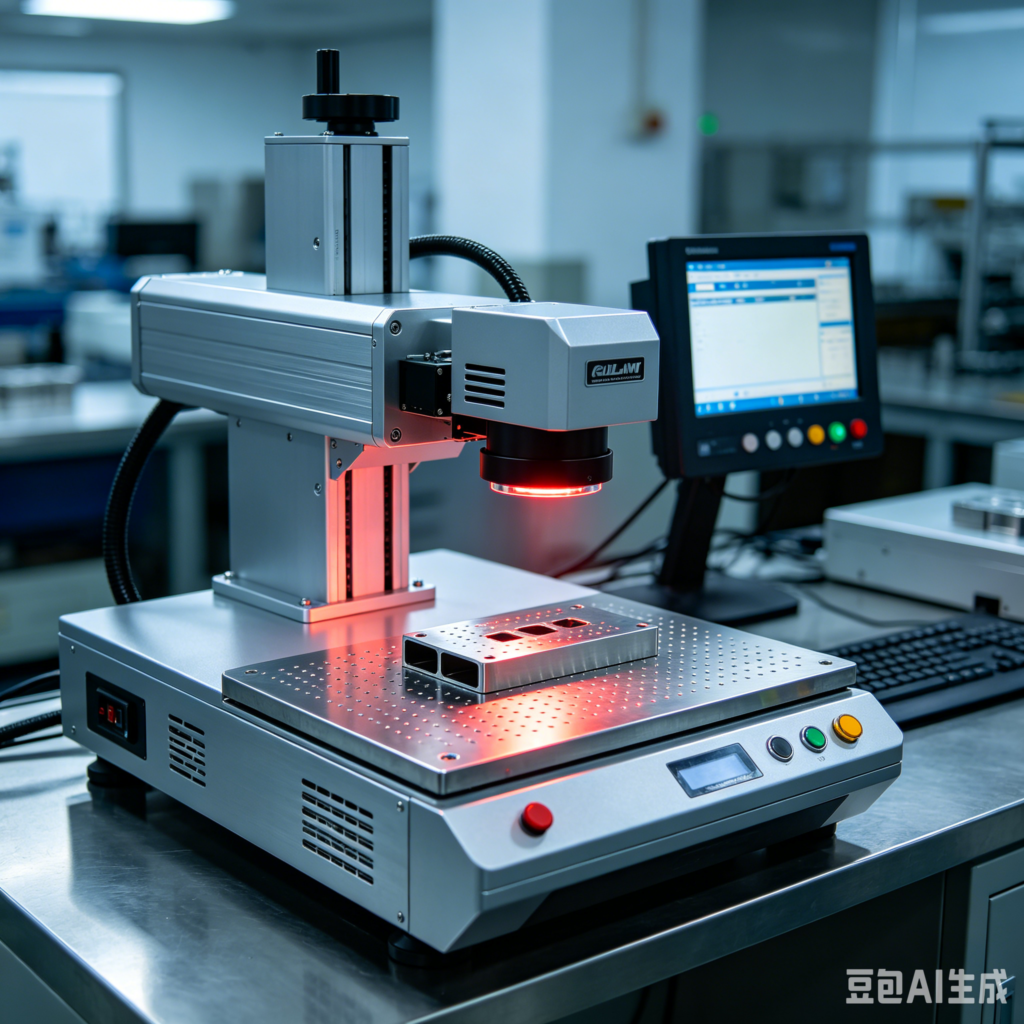
laser marking machine supplier
What Materials Can Be Laser Marked?
Laser marking is a fast, precise, and permanent marking technology. It is widely used in automotive, อิเล็กทรอนิกส์, อุปกรณ์ทางการแพทย์, การบินและอวกาศ, and industrial manufacturing.
ดังนั้น, what materials can be laser marked effectively?
In simple terms, most industrial materials can be laser marked, but each material requires the right laser type and parameters.
This guide explains all compatible materials in detail. It also helps you choose the right laser marking solution for your production line.
1. Metal Materials for Laser Marking
Metals are the most common materials used in laser marking. They provide high contrast, durability, and long-term traceability.
1.1 Stainless Steel
Stainless steel is highly compatible with fiber laser systems.
- High contrast black marking
- No coating required
- Permanent traceability
Common applications:
- Medical instruments
- Kitchen tools
- Industrial machinery parts
Long-tail keyword: stainless steel fiber laser marking solution
1.2 Aluminum
Aluminum is widely used in automotive and electronics industries.
- Anodized aluminum gives strong contrast
- Bare aluminum requires deep engraving or color change marking
Applications:
- Electronics housings
- Automotive components
- Nameplates
Long-tail keyword: laser marking anodized aluminum industrial parts
1.3 Brass & Copper
Brass and copper are reflective, but still laser markable with fiber lasers.
- Requires optimized power settings
- High-precision engraving possible
Applications:
- Electrical components
- Connectors
- Decorative parts
1.4 Titanium
Titanium is ideal for high-end laser marking applications.
- Produces colorful oxidation marks
- Very durable and corrosion resistant
Applications:
- Medical implants
- Aerospace components
- Luxury products
2. Plastic Materials for Laser Marking
Plastics are widely used in electronics, packaging, and consumer goods.
Laser marking plastics requires careful selection of wavelength (เส้นใย, คาร์บอนไดออกไซด์, or UV).
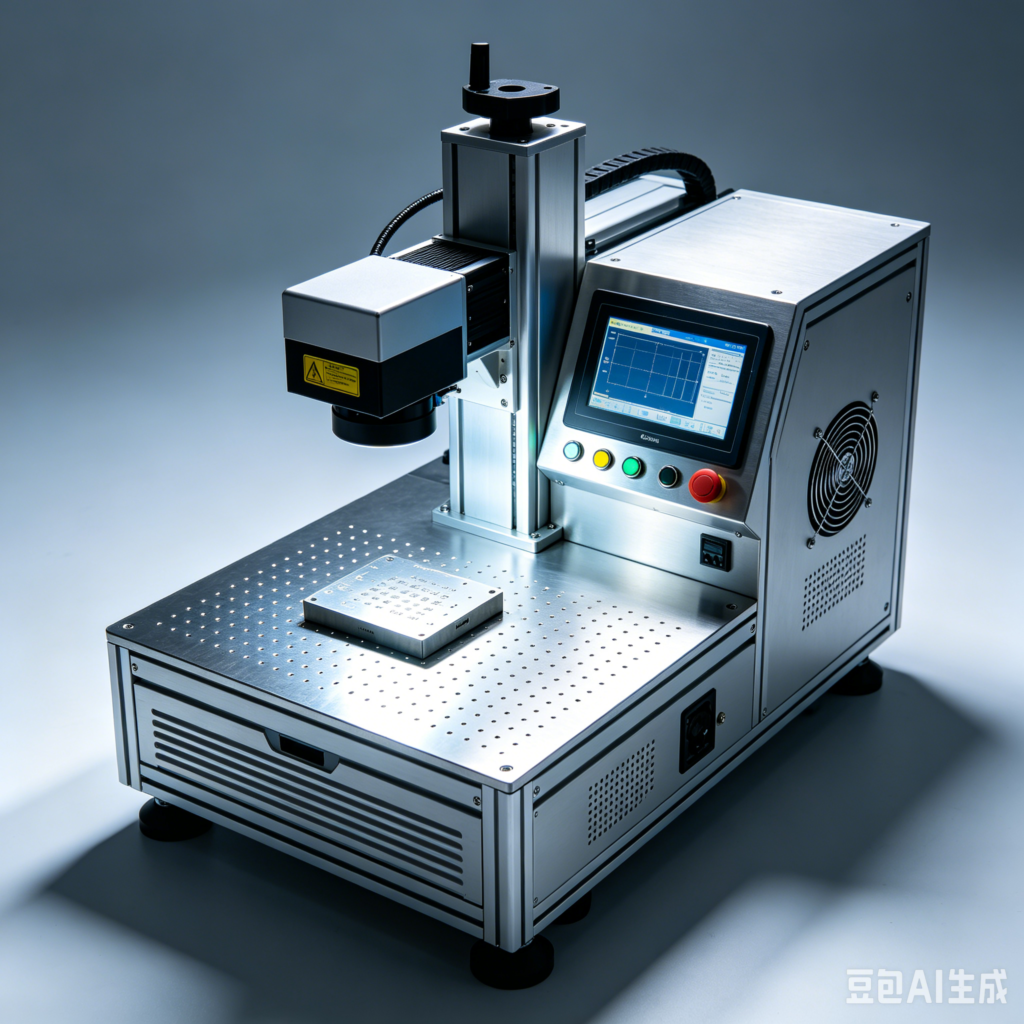
OEM laser marking solution
2.1 ABS Plastic
ABS is one of the most commonly laser-marked พลาสติก.
- High contrast marking
- No damage to structure
Applications:
- Electronics housings
- Appliance parts
2.2 Polycarbonate (PC)
Polycarbonate provides excellent laser marking results.
- Clear and sharp marking
- High durability
Applications:
- Safety equipment
- Automotive parts
- Control panels
2.3 PVC & PE Materials
These materials can be marked but require controlled parameters.
- CO2 lasers are often used
- Used in packaging and labeling
2.4 Engineering Plastics (PA, POM, สัตว์เลี้ยง)
Engineering plastics are widely used in industrial manufacturing.
- High precision marking
- Suitable for traceability codes
Long-tail keyword: laser marking engineering plastics for traceability
3. Glass and Ceramic Materials
Laser marking on glass and ceramics requires precision and controlled energy.
3.1 กระจก
Laser marking creates frosted or etched effects.
- No ink or chemicals required
- Permanent marking
Applications:
- Bottles
- Lab equipment
- Decorative glass
3.2 Ceramics
Ceramics are widely used in electronics and medical industries.
- Requires high precision UV or fiber lasers
- Produces clean, crack-free marks
4. Rubber and Organic Materials
Laser marking is also suitable for selected organic materials.
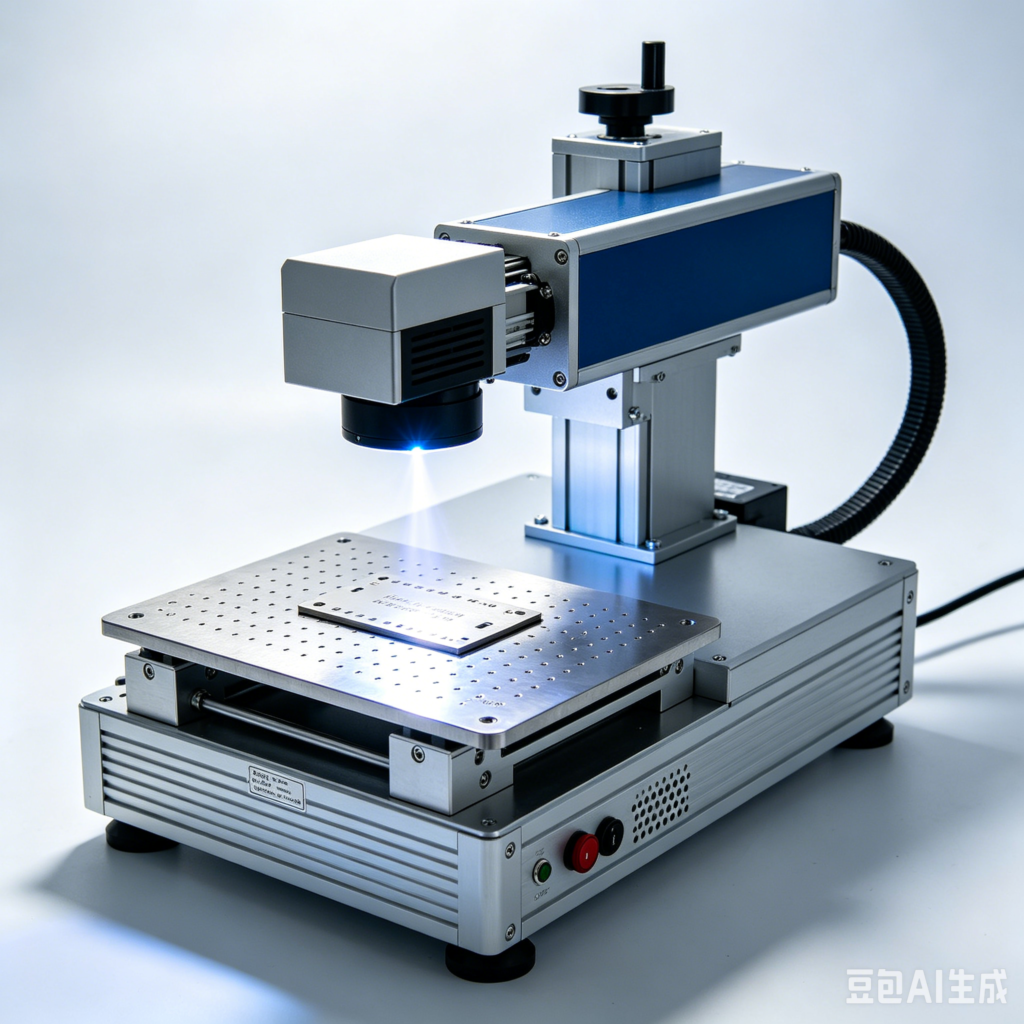
laser marking equipment for factory
4.1 Rubber
Used for seals, stamps, and industrial components.
- High contrast engraving
- Durable identification
4.2 Wood
Wood is easily marked using CO2 lasers.
- Decorative engraving
- Branding and labeling
Applications:
- Furniture
- Packaging
- Promotional products
4.3 Leather
Laser marking leather creates high-end branding effects.
- No physical contact
- Precise artistic engraving
5. Coated and Painted Materials
Laser marking works very well on coated surfaces.
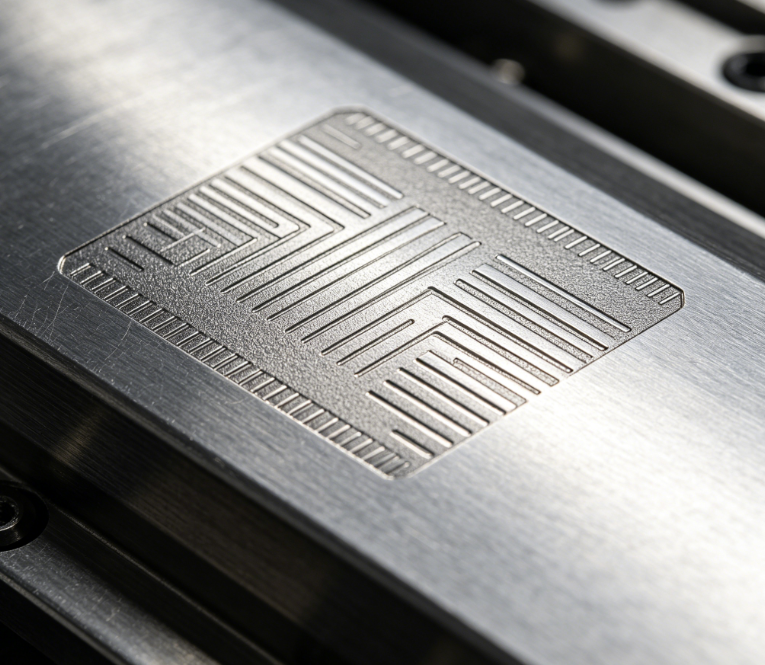
what materials can be laser marked
5.1 Anodized Aluminum
- Best example of high-contrast marking
- No material damage
5.2 Painted Metals
- Laser removes paint layer
- Reveals base material for contrast
Long-tail keyword: laser marking coated metal parts for industrial traceability
6. Special Industrial Materials
Modern laser systems can also mark advanced materials:
6.1 Silicon & Semiconductors
- Used in electronics manufacturing
- Requires UV laser systems
6.2 Carbon Fiber Composites
- Lightweight aerospace material
- Requires controlled laser energy
6.3 Technical Ceramics
- High hardness materials
- Used in aerospace and medical fields
7. Laser Types and Material Compatibility
Choosing the correct laser system is critical.
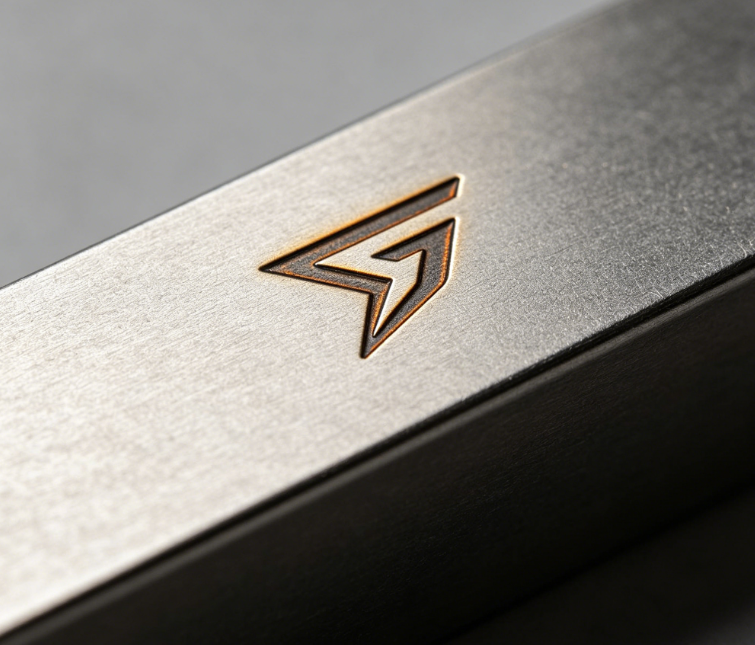
fiber laser marking materials
Fiber Laser
Best for:
- Metals
- Some plastics
- Coated materials
CO2 Laser
Best for:
- Wood
- กระจก
- Leather
- พลาสติก
UV Laser
Best for:
- Sensitive plastics
- อิเล็กทรอนิกส์
- High-precision marking
8. Industrial Applications of CO2 laser marking materials
Laser marking is essential for modern manufacturing.
Automotive Industry
- VIN codes
- Engine parts
- Safety traceability
Electronics Industry
- PCB marking
- Component identification
- Serial numbers
Medical Industry
- Surgical tools
- Implant traceability
- Regulatory compliance
Aerospace Industry
- High-temperature resistant marking
- Component tracking
9. Advantages of Laser Marking on Different Materials
Laser marking offers major benefits:
- Permanent and wear-resistant marking
- No consumables (ink-free process)
- High-speed production capability
- Extremely high precision
- Eco-friendly manufacturing process
- Suitable for automation and robotics integration
10. Why Material Selection Matters in Laser Marking
Material selection directly impacts:
- Marking quality
- Contrast level
- Production efficiency
- Equipment lifespan
ดังนั้น, understanding what materials can be laser marked helps manufacturers improve productivity and reduce cost.
Frequently Asked Questions (FAQ)
1. What materials cannot be laser marked?
Some transparent plastics or highly reflective untreated metals may require special settings or pre-treatment.
2. Can all plastics be laser marked?
Not all plastics respond equally. Engineering plastics like ABS and PC perform best.
3. Is laser marking permanent?
Yes. Laser marking is permanent and resistant to heat, chemicals, and wear.
4. What is the best laser for metal marking?
Fiber lasers are the most efficient and widely used for metal marking.
Conclusion
Understanding what materials can be CO2 laser marking materials is essential for modern industrial manufacturing.
From metals like stainless steel and aluminum, to plastics, เซรามิกส์, กระจก, and coated surfaces, laser marking technology provides a flexible, high-precision, and cost-effective solution.
With the correct laser system selection—fiber, คาร์บอนไดออกไซด์, or UV—you can achieve consistent, high-quality results across almost all industrial materials.