

How Effective Is Laser Marking? Complete Guide to Precision, Speed, and Industrial Benefits
Introduction to DC Laser Marking Technology
DC Laser marking has become one of the most effective methods for permanent product identification. Today, many industries use laser marking systems because they offer fast speed, high precision, and long-lasting results. In addition, laser marking works on many materials, including metal, plastic, glass, ceramic, leather, and coated surfaces.
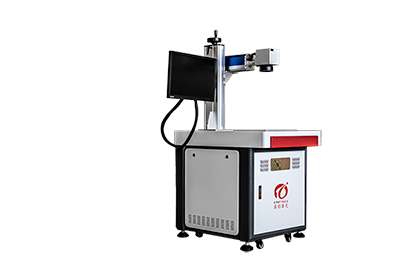
Usage of Laser Marking Machines
As manufacturing becomes smarter, companies need marking solutions that are clean, reliable, and cost-effective. Therefore, laser marking machines are now widely used in automotive production, aerospace manufacturing, electronics, medical devices, jewelry engraving, packaging, and industrial tools.
So, how effective is laser marking?
The short answer is simple. Laser marking is highly effective for modern industrial production. It creates clear, permanent, and accurate marks while reducing maintenance and operating costs. Moreover, it supports automation and high-speed manufacturing lines.
In this guide, you will learn:
- How laser marking works
- Why laser marking is effective
- The advantages of fiber laser marking machines
- Common industrial applications
- Laser marking vs traditional marking methods
- Cost efficiency and long-term value
- Best materials for laser marking
- How laser marking improves product traceability
- Why B2B manufacturers choose laser marking systems
This article is optimized for Google SEO, AI search summaries, EU and North America B2B markets, and industrial buyers looking for advanced laser solutions.
What Is Laser Marking?
Laser marking is a non-contact process that uses a focused laser beam to create permanent marks on a surface. These marks may include:
- Logos
- QR codes
- Serial numbers
- Product IDs
- Barcodes
- Date codes
- Graphics
- Text
- Batch numbers
Unlike ink printing or mechanical engraving, laser marking does not require physical contact with the material. As a result, the process is cleaner and more precise.
Furthermore, laser marking systems can work at very high speeds. This makes them ideal for mass production lines.
How Does Laser Marking Work?
A laser marking machine directs concentrated laser energy onto the material surface. Then, the heat changes the surface properties of the material.
Depending on the application, the laser may:
- Change the color
- Remove surface coating
- Create oxidation
- Engrave the surface
- Produce high-contrast marks
Because the process is digitally controlled, manufacturers can achieve extremely accurate results.
In addition, modern laser marking systems support automation software and robotic integration. Therefore, factories can improve productivity and reduce manual labor.
Why Is Laser Marking So Effective?
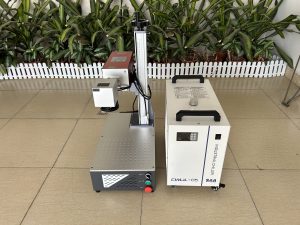
laser marking
Laser marking is effective because it combines speed, precision, durability, and flexibility in one process.
1. Permanent and Durable Marking
One major advantage of laser marking is permanence.
Unlike stickers or ink printing, laser marks do not fade easily. In fact, laser marks can resist:
- Heat
- Chemicals
- Oil
- Friction
- UV exposure
- Corrosion
Therefore, industries that require long-term traceability prefer laser marking technology.
For example, automotive manufacturers use fiber laser marking machines to mark engine parts, metal plates, and safety components.
Similarly, medical device companies use laser marking for surgical tools because the marks remain readable after sterilization.
2. High Precision and Fine Detail
Laser marking systems can create very small and highly detailed marks.
This is especially important for industries such as:
- Electronics
- Aerospace
- Medical manufacturing
- Semiconductor production
For example, a fiber laser marking machine can mark tiny QR codes on small metal parts without reducing readability.
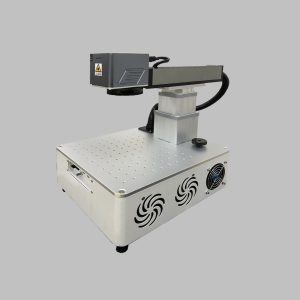
mini laser marking machine
Moreover, laser systems can achieve micron-level precision. As a result, manufacturers can maintain strict quality standards.
3. Fast Production Speed
Another reason laser marking is highly effective is speed.
Modern laser marking machines can process thousands of parts per hour. Therefore, they are ideal for automated manufacturing environments.
In addition, laser systems can switch between designs quickly without changing tools.
This improves:
- Production efficiency
- Workflow flexibility
- Manufacturing speed
- Product customization
Consequently, many factories replace traditional engraving systems with laser marking machines.
4. Low Maintenance Requirements
Traditional marking methods often require:
- Ink replacement
- Tool replacement
- Cleaning
- Mechanical maintenance
However, laser marking systems require much less maintenance.
Fiber laser marking machines especially have long service life. Many systems can operate for over 100,000 hours.
As a result, businesses reduce downtime and maintenance costs.
Furthermore, there are fewer consumables. Therefore, operational expenses stay low over time.
5. Environmentally Friendly Manufacturing
Today, environmental protection is important for global manufacturers.
Fortunately, laser marking supports green manufacturing.
Unlike chemical etching or ink printing, laser marking does not use harmful chemicals. In addition, it produces less waste.
Therefore, companies can meet environmental regulations more easily in Europe and North America.
This is particularly important for export manufacturers serving EU and US markets.
Types of Laser Marking Methods
Different applications require different laser marking techniques.
DC Fiber Laser Marking
Fiber laser marking is one of the most popular industrial solutions today.
It is highly effective for:
- Stainless steel
- Aluminum
- Brass
- Copper
- Titanium
- Carbon steel
Benefits of Fiber Laser Marking Machines
- High marking speed
- Excellent beam quality
- Low maintenance
- Long lifespan
- High energy efficiency
- Deep engraving capability
Therefore, fiber laser marking systems are widely used in metal processing industries.
CO2 Laser Marking
CO2 laser marking works best on non-metal materials.
For example:
- Wood
- Acrylic
- Glass
- Leather
- Paper
- Packaging materials
CO2 laser systems are often used in packaging and consumer product industries.
UV Laser Marking
UV laser marking is ideal for ultra-fine applications.
Because UV lasers generate less heat, they are suitable for sensitive materials.
Common applications include:
- Medical plastics
- Electronic chips
- Glass marking
- High-precision electronics
Moreover, UV laser marking reduces thermal damage.
DC Laser Marking vs Traditional Marking Methods
Laser Marking vs Ink Printing
Ink printing is cheap initially. However, it has many limitations.
Ink Printing Problems
- Ink can fade
- Frequent maintenance is required
- Consumable costs are high
- Lower durability
- Limited precision
On the other hand, laser marking provides permanent and high-contrast marks.
Therefore, many industrial manufacturers prefer laser marking systems.
Laser Marking vs Mechanical Engraving
Mechanical engraving uses physical tools to cut the surface.
However, this process creates wear and tear.
Mechanical Engraving Limitations
- Tool wear
- Slower speed
- Lower flexibility
- Higher maintenance
- Surface damage risk
In contrast, laser marking is non-contact. Therefore, there is minimal mechanical stress.
Laser Marking vs Chemical Etching
Chemical etching uses acids or chemicals to create marks.
Although effective, chemical etching has environmental and safety concerns.
Laser marking is cleaner and safer.
As a result, many companies are moving toward laser technology.
Industrial Applications of DC Laser Marking
Laser marking is used across many industries.
Automotive Industry
Automotive manufacturers require reliable traceability.
Laser marking is used for:
- VIN codes
- Engine components
- Brake systems
- Bearings
- Metal plates
- Safety parts
Because the marks are permanent, manufacturers improve product tracking and compliance.
Aerospace Manufacturing
Aerospace parts must meet strict standards.
Therefore, laser marking is ideal because it creates precise and durable identification marks.
Applications include:
- Aircraft components
- Turbine blades
- Aerospace tools
- Titanium parts
Moreover, laser marking supports high-precision manufacturing environments.
Medical Device Industry
Medical tools require sterile and permanent markings.
Laser marking helps create:
- UDI codes
- Surgical tool identification
- Medical equipment serial numbers
Importantly, laser marking does not damage sensitive surfaces.
Therefore, it is widely accepted in medical manufacturing.
Electronics Industry
Electronics require ultra-small and accurate markings.
Laser marking machines are used for:
- PCB codes
- Semiconductor marking
- Electronic connectors
- Mobile phone parts
Additionally, laser marking supports high-speed production.
Jewelry and Luxury Products
Luxury brands use laser marking for branding and anti-counterfeit protection.
Applications include:
- Ring engraving
- Watch marking
- Gold jewelry marking
- Custom logos
Because laser marking creates fine details, it improves product appearance.
Is Fiber Laser Marking Better Than Other Methods?
In many industrial applications, fiber laser marking is considered the best option.
Why Fiber Laser Marking Machines Are Popular
Fiber laser systems provide:
- Higher efficiency
- Better energy savings
- Faster speed
- Stronger metal marking performance
Additionally, fiber lasers require less maintenance than older laser systems.
Therefore, manufacturers achieve lower total operating costs.
Fiber Laser Marking Machine Advantages
Long Lifespan
Fiber laser sources can last over 100,000 hours.
Stable Performance
Fiber lasers maintain stable beam quality for long periods.
High-Speed Processing
Manufacturers can improve production output significantly.
Excellent Metal Compatibility
Fiber lasers work exceptionally well on metals.
How Effective Is Laser Marking for Product Traceability?
Product traceability is extremely important today.
Many industries require permanent product identification for quality control and compliance.
Laser marking helps manufacturers track:
- Production batches
- Serial numbers
- Manufacturing dates
- Product history
Consequently, companies improve supply chain management and reduce counterfeit risks.
Can Laser Marking Improve Manufacturing Efficiency?
Yes. Laser marking can greatly improve manufacturing efficiency.
Faster Workflow
Laser systems process parts quickly.
Therefore, manufacturers increase production capacity.
Automation Integration
Modern laser marking machines support:
- Conveyor systems
- Robotic arms
- Vision systems
- Smart factory software
As a result, companies can build automated production lines.
Reduced Downtime
Because laser systems require little maintenance, downtime decreases.
This improves overall equipment effectiveness.
What Materials Can Be DC Laser Marked?
Laser marking works on many materials.
Metal Laser Marking
Common metals include:
- Stainless steel
- Aluminum
- Brass
- Copper
- Titanium
- Carbon steel
Fiber laser marking machines are especially effective for metal processing.
Plastic Laser Marking
Laser systems can mark:
- ABS
- PVC
- Polycarbonate
- Acrylic
- Nylon
UV lasers often provide the best results for plastics.
Glass Laser Marking
Laser marking can create elegant and permanent marks on glass products.
Applications include:
- Bottles
- Medical glass
- Decorative products
Wood and Leather Laser Marking
CO2 laser systems are commonly used for organic materials.
These applications include:
- Packaging
- Crafts
- Promotional products
- Furniture branding
Is Laser Marking Cost-Effective?
Many businesses ask whether laser marking machines are worth the investment.
The answer is usually yes.
Lower Operating Costs
Laser systems reduce:
- Consumables
- Tool replacement
- Maintenance expenses
Therefore, long-term costs are lower.
Higher Productivity
Faster production improves profitability.
In addition, automation reduces labor costs.
Better Product Quality
Laser marking improves consistency and precision.
As a result, manufacturers reduce defective products.
Common Challenges in Laser Marking
Although laser marking is highly effective, some challenges still exist.
Material Compatibility
Different materials react differently to laser energy.
Therefore, manufacturers must choose the correct laser type.
Initial Investment
Industrial laser marking machines may require higher initial investment.
However, the long-term savings often justify the cost.
Operator Training
Proper machine setup is important for optimal results.
Fortunately, modern laser systems are becoming easier to operate.
Future Trends in Laser Marking Technology
The laser industry continues to grow rapidly.
AI-Powered Laser Systems
Artificial intelligence is improving automation and quality control.
Smart Factory Integration
Laser marking systems are becoming part of Industry 4.0 manufacturing.
Faster and More Efficient Fiber Lasers
New fiber laser technology continues to improve processing speed and energy efficiency.
Eco-Friendly Manufacturing Growth
More companies are adopting laser marking to reduce environmental impact.
How to Choose the Best Laser Marking Machine
Selecting the right laser marking machine depends on several factors.
Material Type
Different lasers work better for different materials.
Production Volume
High-speed production lines may require automated laser systems.
Marking Depth and Precision
Some applications need deep engraving, while others require ultra-fine marks.
Software Compatibility
Modern laser systems should support smart manufacturing integration.
Why B2B Manufacturers Prefer DC Laser Marking Systems
B2B manufacturers need reliability, efficiency, and scalability.
Laser marking provides all three.
Key Reasons
- Permanent marking
- Fast processing
- Low maintenance
- Automation support
- Environmental compliance
- Better traceability
- Reduced operating costs
Therefore, laser marking technology continues to expand across global industries.
Conclusion: How Effective Is Laser Marking?
Laser marking is one of the most effective industrial marking solutions available today.
It offers:
- High precision
- Permanent marking
- Fast production speed
- Low maintenance
- Excellent durability
- Strong automation compatibility
Furthermore, fiber laser marking machines provide outstanding performance for metal processing and industrial manufacturing.
As smart factories continue to grow, laser marking technology will become even more important for modern production lines.
For companies in Europe and North America, laser marking supports both advanced manufacturing and environmental compliance. At the same time, it improves product quality, traceability, and operational efficiency.
Because of these advantages, laser marking systems are now a critical investment for manufacturers seeking long-term productivity and competitive growth in global B2B markets.